
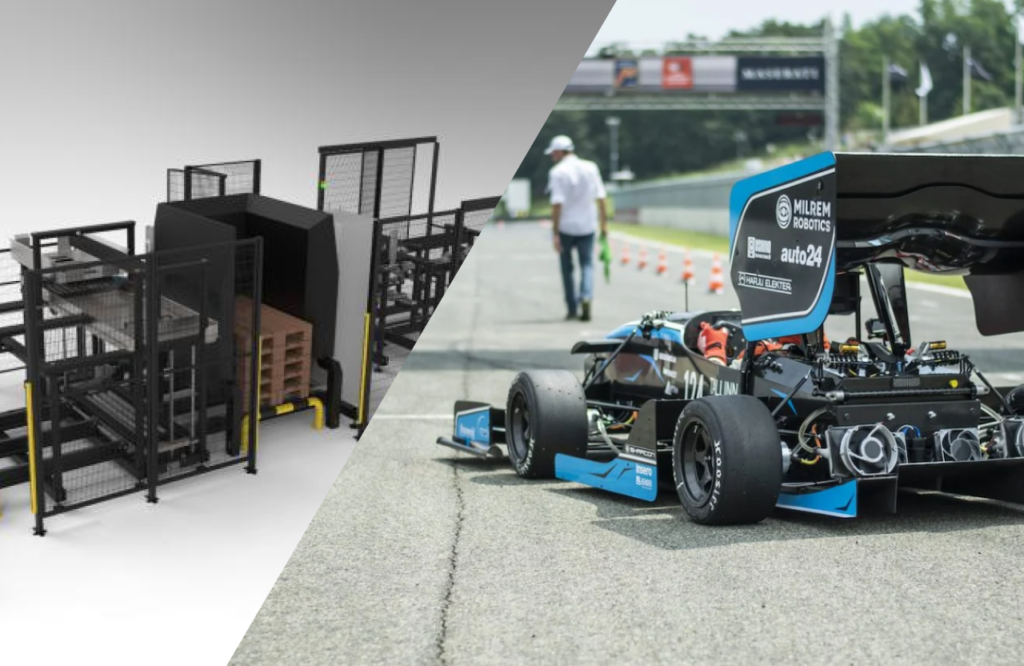
Before ILUS Bike, we were the engineers “under the hood” of the micromobility industry.
As team leaders and engineers from Formula Student Team Tallinn, we had a background in high-stakes, precision vehicle design. This led us into the world of industrial automation and machinery, where we designed systems that couldn’t afford a single minute of downtime.
Because of this expertise, we became the engineering backbone for almost every micromobility player in Estonia. We were hired to solve the toughest problems for electric scooters and cargo-bike fleets.
We realized three things:
The Shift is Coming: The e-bike boom isn’t a trend; it’s the “Second Wave” of urban transport. It’s longer trips, older demographics, and higher expectations for comfort.
The Infrastructure Gap: You can’t run a city’s transport system on not reliable hardware. E-bikes need to be treated like urban infrastructure that is durable, flexible, comfortable, and built to last 10 years, not 10 months.
The Timing is Now: We saw the problems our clients were facing in other niches and knew that if we didn’t start building a “ground-up” e-bike system immediately, the Second Wave would be just as broken as the first.
We didn’t want to spend another five years consulting on how to fix broken systems. We wanted to build a system that didn’t break.
We took the precision of Formula racing, the uptime-obsession of industrial automation, and the hard lessons we learned from the scooter and cargo-bike world, and we poured them into ILUS Bike.
We started ILUS not because we wanted to sell bikes, but because we saw the Second Wave coming and knew the world needed a system that cities and citizens could actually trust.
We aren’t manufacturing bikes; we are building the reliable, flexible, and comfortable infrastructure that the next decade of urban mobility demands.
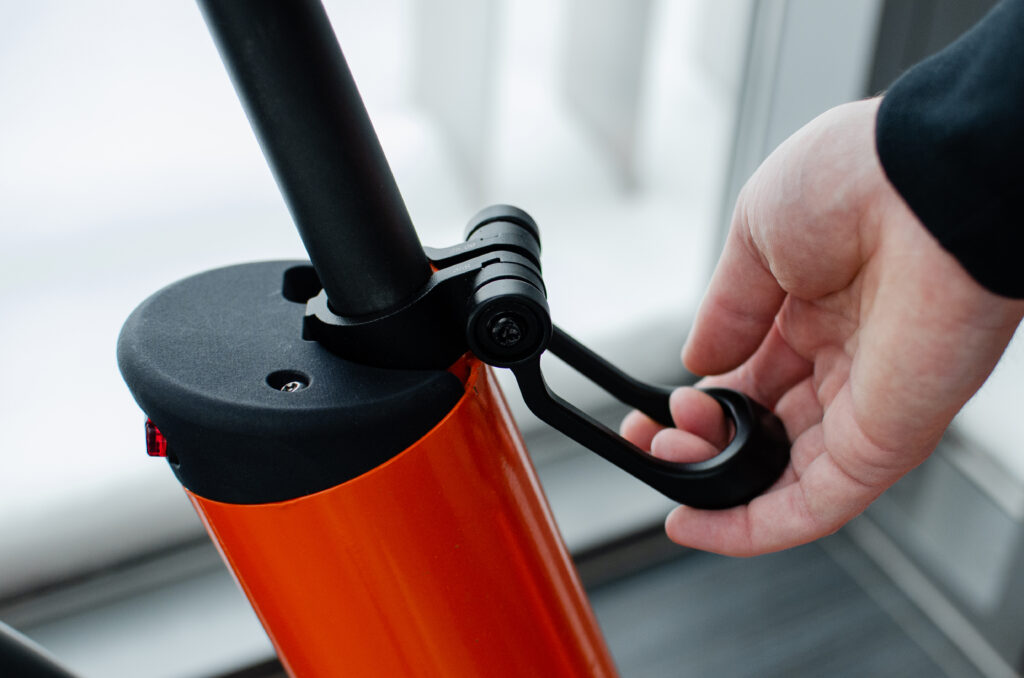
We’ve removed every barrier between the user and the ride to ensure your fleet is the first choice, every time.
Users are more likely to return to a system that feels like a natural extension of their commute rather than a technical hurdle.
A simpler user experience leads to fewer “how-to” support tickets and accidental “unlocked bike” reports.
By removing the mandatory onboarding process, you capture the “walk-up” market that other systems lose.
Our frame features an ultra-low step-through and an upright riding position, making the bike inclusive for all body types, ages and clothing choices, including skirts and long coats.
We replaced clumsy manual locks with an automated hub-locking system that secures the bike the moment a ride ends. No more unlocked bikes that has huge potential to get vandalized.
By enclosing the entire drivetrain, we ensure that users never have to worry about grease or debris on their clothes